
As environmentalists dedicated to preserving the wild heart of our nation, we were heartbroken—but not entirely surprised—when the U.S. Forest Service (USFS) officially withdrew the proposed National Old-Growth Amendment in January 2025. This policy, which had been in the works since 2023, aimed to safeguard and restore old-growth forests across all 128 national forests, covering millions of acres of irreplaceable natural heritage. Its abrupt cancellation under the new administration leaves these ancient ecosystems vulnerable to increased logging, development, and fragmentation, threatening the very fabric of our public lands. From an environmentalist’s lens, this decision isn’t just a policy reversal—it’s a direct assault on biodiversity, water purity, soil stability, and the recreational sanctuaries that define America’s outdoor legacy.
What Was the National Old-Growth Amendment?
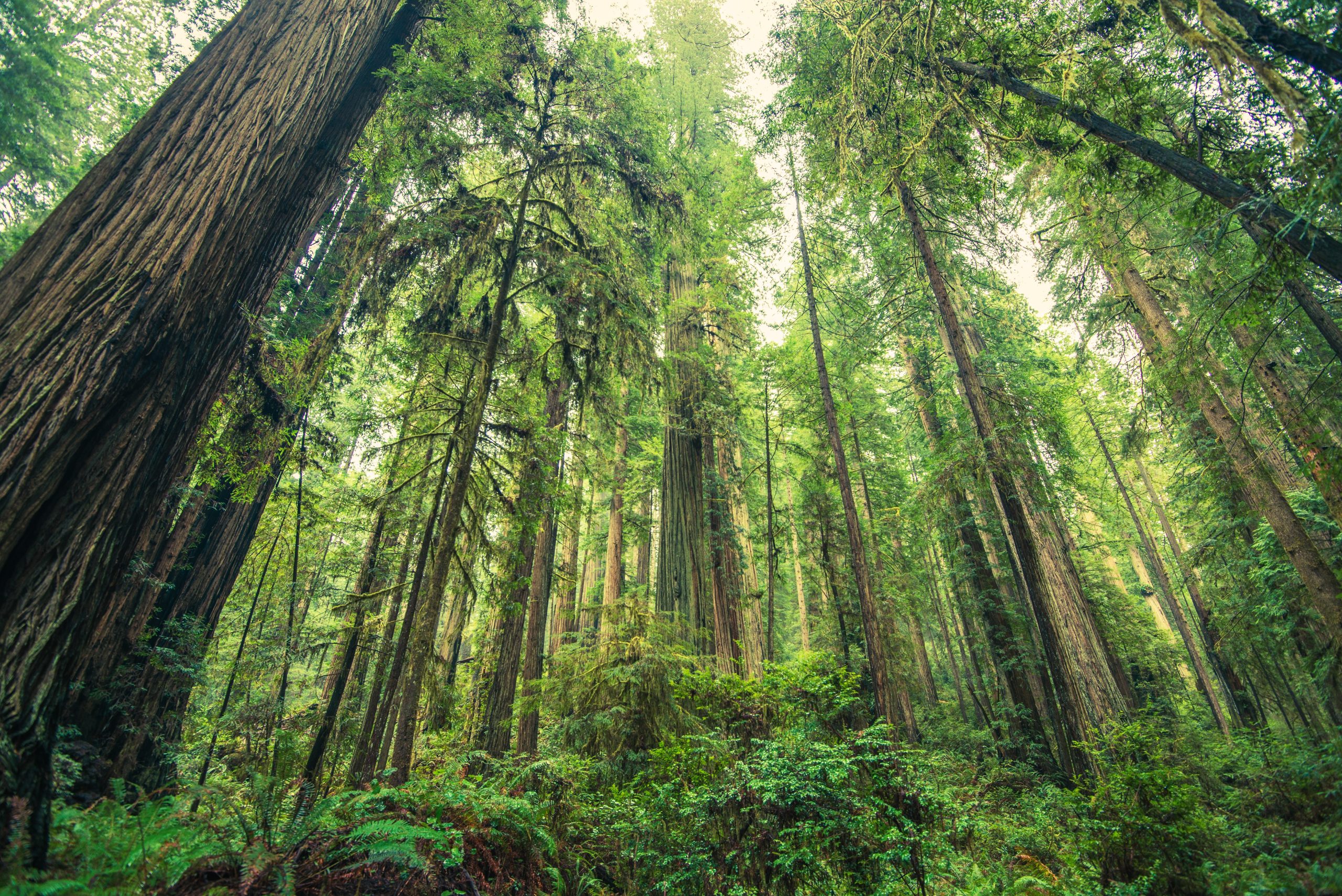
The amendment was born from Executive Order 14072 in April 2022, directing the USFS and Bureau of Land Management (BLM) to inventory old-growth and mature forests and develop policies for their protection and restoration. By June 2023, the USFS released a draft proposal that would have amended management plans for every national forest to prioritize the conservation of old-growth stands—those majestic forests aged 150 years or more, characterized by complex structures, diverse understories, and towering canopies. The plan identified over 112 million acres of mature and old-growth forests on federal lands, with a focus on prohibiting commercial logging in most old-growth areas while allowing limited management for ecological health, such as thinning to reduce wildfire risks. It also emphasized recruiting mature forests into old-growth status through restoration efforts, ensuring these ecosystems could thrive for future generations. Public support was overwhelming during the 2023 comment period, with hundreds of thousands of voices—from scientists to outdoor enthusiasts—calling for stronger protections. This wasn’t about locking away lands; it was about sustainable stewardship to maintain the intricate web of life these forests support.
The Withdrawal: A Swift and Troubling Reversal
In January 2025, just weeks into the new administration, the USFS announced the withdrawal of the amendment, citing a need to prioritize “active forest management” and economic opportunities over restrictive conservation measures. This decision aligns with broader policy shifts, including the rollback of the 2001 Roadless Rule, which has protected nearly 58.5 million acres of undeveloped national forest lands from road construction and commercial logging for over two decades. The Roadless Rule rollback, announced in June 2025 and advancing through a Notice of Proposed Rulemaking in August 2025, received over 600,000 public comments—overwhelmingly in opposition—before closing in September 2025. A draft Environmental Impact Statement is expected in March 2026, paving the way for a final rule by late 2026 that could open these lands to industrial activities. From our viewpoint, this withdrawal is a betrayal of public trust. Old-growth forests are not renewable commodities—they are intricate ecosystems that take centuries to form. Without the amendment’s protections, we face accelerated habitat loss, soil erosion, and degraded water quality in rivers and streams that depend on these forests for stability and filtration.

The Profound Effects on Natural Resources
The absence of the National Old-Growth Amendment means our national forests are now more exposed to logging and development, with cascading consequences for natural resources. These ancient trees provide critical habitats for countless species, from spotted owls in the Pacific Northwest to black bears in the Appalachians. Without safeguards, biodiversity hotspots like the Tongass National Forest in Alaska—home to over 9 million acres of roadless old-growth—could see fragmentation that disrupts migration patterns and pushes vulnerable wildlife toward extinction. Soil erosion will intensify as tree roots no longer anchor the earth, leading to sedimentation in waterways that harms aquatic life and diminishes water quality for communities downstream. In areas like the Yaak River Valley in Montana or the Jellico Mountain region on the Kentucky-Tennessee border, increased industrial access could turn fertile lands barren through desertification-like processes, where once-vibrant soils dry out and lose productivity. Recreational opportunities—hiking, fishing, and wildlife viewing—that draw millions to these forests annually will suffer as roads and clear-cuts scar the landscape. The Roadless Rule rollback compounds these threats by inviting mining and energy projects into pristine areas, further eroding the ecological integrity of our public lands. We’ve seen this playbook before: During the first Trump term, similar exemptions led to increased disturbances in places like Alaska’s Tongass, and now, with the rule’s full rescission on the horizon, we risk losing safeguards that have preserved clean watersheds and diverse ecosystems for generations.
A Call to Action: Defend Our Forests
This withdrawal isn’t inevitable—it’s a choice driven by short-term economic interests at the expense of our shared natural resources. As environmentalists, we call on fellow advocates, Tribal nations, and concerned citizens to mobilize. Support ongoing lawsuits from groups like Earthjustice and the Wilderness Society, which are challenging the rollback on grounds of inadequate public input and environmental harm. Engage in the upcoming EIS comment periods, contact your representatives to push for reinstatement of protections, and support Indigenous-led efforts, as Tribal sovereignty and treaty rights are deeply intertwined with these lands. Our forests are more than resources—they are living legacies. By withdrawing the National Old-Growth Amendment, we’ve lost a vital tool to preserve them. But with collective action, we can turn the tide and ensure these ancient wonders endure. Join the fight today; Crowdearth has developed a platform for direct sponsorship of property owned and controlled by us, each new sponsorship allows for the expansion and purchase of additional lands which will be removed from access to industry and changing government policy, our natural world depends on it.


